You’ve seen the ads: “Unlimited, free, secure VPN!” It sounds perfect—private browsing, access to blocked content, and protection on public Wi-Fi, all at $0. But in 2026, the reality is far darker.
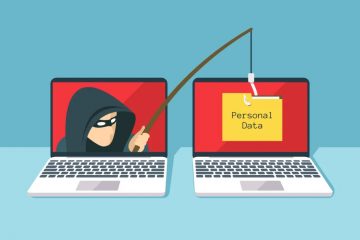
If you’re not paying for a VPN, you are the product. And your data is the currency.
Free VPN services don’t run on magic—they run on business models that often exploit the very users they claim to protect. In this article, we’ll expose what really happens to your data when you use a “free” VPN—and why paying a small monthly fee might be the smartest security decision you ever make.
How Free VPNs Make Money (Hint: It’s Not Charity)
Running a global network of servers isn’t cheap. Bandwidth, maintenance, and staff cost real money. So how do free VPNs stay in business? By monetizing your data in ways you rarely see—or consent to.
1. Selling Your Browsing Data
Many free VPNs log your online activity—including:
- Websites you visit
- Search queries
- IP addresses
- Device information
This data is then sold to advertisers, data brokers, or third-party analytics firms. A 2023 investigation by the Australian Competition & Consumer Commission found that 75% of free VPNs shared user data with external parties, often without clear disclosure.
📊 Example: One popular free Android VPN was caught sending user browsing history to a marketing firm in China—despite claiming to be “privacy-first.”
2. Injecting Ads and Trackers
To generate revenue, some free VPNs:
- Inject targeted ads into the web pages you visit.
- Install hidden tracking scripts that follow you across sites.
- Redirect your searches through their own ad-laden portals.
This not only violates your privacy—it slows down your connection and exposes you to malicious ads (malvertising).
3. Using Your Device as an Exit Node
Some peer-to-peer (P2P) free VPNs (like the now-defunct Hola) turn your device into a proxy for other users. That means strangers’ internet traffic—possibly illegal or malicious—routes through your IP address. If someone downloads copyrighted material or launches an attack using your connection, you could be held liable.
4. Weak or Fake Encryption
Not all “VPNs” actually encrypt your traffic. Some are just glorified HTTP proxies that offer zero real security. Others use outdated protocols like PPTP, which can be cracked in minutes. You get the illusion of privacy—with none of the protection.
Real-World Risks You Can’t Ignore
🔒 Your Identity Could Be Exposed
In 2022, a free VPN app leaked over 1 million user records, including email addresses and usage logs. In another case, a “free” service based in a Five Eyes country (U.S., UK, Canada, etc.) handed over user data to law enforcement without a warrant.
💸 Financial Fraud
If your banking or shopping traffic passes through a compromised free VPN, attackers can steal login credentials or credit card details—especially if the service uses weak encryption.
🌐 Malware Delivery
Security researchers have repeatedly found free VPN apps on app stores that contain spyware, trojans, or crypto-mining scripts. In 2025, Google removed over 20 such apps from the Play Store—but many remain.
Red Flags: How to Spot a Dangerous Free VPN
Avoid any service that:
- ❌ Has no clear privacy policy or logging policy
- ❌ Claims “unlimited speed” but shows excessive ads
- ❌ Requests unnecessary permissions (e.g., access to contacts, SMS, or location on Android)
- ❌ Is based in a country with poor privacy laws (e.g., China, Russia, or surveillance-allied nations)
- ❌ Lacks independent audits or transparency reports
⚠️ Shocking fact: A 2024 study found that 38% of free VPNs on iOS and Android contained malware or engaged in data harvesting.
Safer Alternatives That Won’t Break the Bank
You don’t need to spend a fortune to stay private. Reputable paid VPNs often cost less than $3–5/month when billed annually—and they offer real protection:
✅ Proton VPN (Switzerland)
- Offers a truly free tier with no data selling, strong encryption, and open-source apps.
- Paid plans start at $4.99/month.
✅ Mullvad (Sweden)
- Accepts cash or cryptocurrency, requires no email, and has a strict no-logs policy.
- Flat rate: €5/month (~$5.40).
✅ IVPN (Gibraltar)
- Independently audited, transparent, and focused on privacy—not profit.
- Starts at $2.99/month.
💡 Look for: Independent security audits, clear no-logs policies, open-source clients, and headquarters in privacy-friendly jurisdictions (Switzerland, Iceland, Sweden).
Final Thought: Privacy Isn’t Free—But It Is Affordable
Free VPNs promise anonymity but often deliver surveillance. In a world where your data is more valuable than ever, “free” almost always comes at a hidden cost—your digital freedom.
Investing a few dollars a month in a trustworthy provider isn’t an expense. It’s insurance for your identity, your finances, and your peace of mind.
So the next time you see a “free VPN” ad, remember:
If you’re not the customer, you’re the commodity.
Choose wisely. Your data depends on it.
0 Comments