In today’s digital age, email remains one of the most widely used forms of communication. However, with its convenience comes the risk of spam emails—unwanted messages that can clutter your inbox and, in some cases, pose security threats. Understanding how to identify spam emails and knowing how to deal with them is essential for maintaining a safe online experience. Here’s a guide to help you navigate this issue effectively.
What is Spam Email?
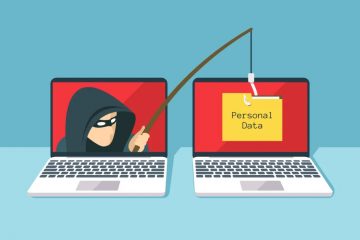
Spam emails, often referred to as junk emails, are unsolicited messages sent in bulk, usually for advertising purposes. While some spam emails may be harmless, others can contain phishing attempts, malware, or scams designed to steal your personal information.
How to Spot a Spam Email
- Check the Sender’s Email Address:
- Often, spam emails come from addresses that look suspicious or unfamiliar. Look for misspellings or unusual domain names (e.g., “example@randomsite.com” instead of “example@legitcompany.com”).
- Look for Generic Greetings:
- Spam emails often use generic greetings like “Dear Customer” instead of your name. Legitimate companies usually personalize their communications.
- Watch for Poor Grammar and Spelling:
- Many spam emails contain grammatical errors, awkward phrasing, or typos. Professional organizations typically proofread their communications.
- Be Cautious of Urgent Language:
- Spam messages often create a sense of urgency, urging you to act quickly to avoid missing out on an offer or to address a supposed problem with your account.
- Examine the Content:
- If the email includes unsolicited offers, prizes, or requests for personal information (like passwords or credit card numbers), it’s likely spam.
- Check for Suspicious Links or Attachments:
- Hover over any links (without clicking) to see the actual URL. If it looks suspicious or doesn’t match the sender’s domain, do not click it. Similarly, avoid opening attachments from unknown sources.
- Look for Unusual Formatting:
- Spam emails may have inconsistent fonts, colors, or layouts. Legitimate emails usually maintain a consistent style.
How to Deal with Spam Emails
- Do Not Respond:
- Engaging with spam emails can confirm to the sender that your email address is active, leading to more spam.
- Mark as Spam:
- Use your email provider’s spam or junk feature to report the email. This helps improve spam filters for everyone.
- Delete the Email:
- If you identify an email as spam, delete it immediately. Avoid keeping it in your inbox, as it can be a source of temptation to click on links later.
- Use Filters:
- Most email services allow you to set up filters to automatically sort or delete emails from specific senders or with certain keywords.
- Keep Your Email Address Private:
- Avoid sharing your email address publicly on social media or websites. Consider using a secondary email for sign-ups or subscriptions.
- Educate Yourself and Others:
- Stay informed about common spam tactics and share this knowledge with friends and family to help them avoid falling victim to spam.
- Consider Using Spam Protection Tools:
- Some email providers offer additional spam protection features. Explore these options to enhance your email security.
Conclusion
Spotting and dealing with spam emails is crucial for maintaining your online safety and ensuring a clutter-free inbox. By being vigilant and following the tips outlined above, you can protect yourself from potential threats and enjoy a more secure email experience. Remember, when in doubt, it’s always better to err on the side of caution. Stay safe online!
0 Comments