In today’s digital age, smartphones have become essential tools for both personal and professional use. As we increasingly rely on these devices for work-related tasks, it’s crucial to understand how to protect sensitive corporate data. This guide will explore key strategies and best practices for safeguarding your work information on your smartphone in 2025.
Understanding the Risks
Before diving into protection strategies, it’s important to recognize the potential threats to your work data on mobile devices. These can include:
- Unauthorized access if your phone is lost or stolen
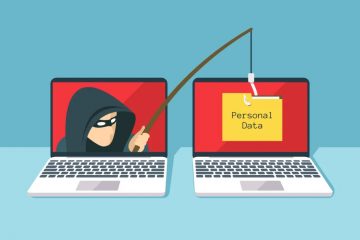
- Malware and phishing attacks
- Data interception over unsecured networks
- Accidental data leakage through personal apps
By understanding these risks, you can better appreciate the importance of implementing robust security measures.
Implementing Strong Authentication
One of the first lines of defense for your smartphone is strong authentication. In 2025, this goes beyond simple passcodes:
- Use biometric authentication such as fingerprint or facial recognition
- Enable multi-factor authentication (MFA) for work-related apps and accounts
- Set up long, complex passcodes that are difficult to guess
Remember, your device’s lock screen is the first barrier against unauthorized access to your work data.
Securing Data at Rest and in Transit
Protecting your data both when it’s stored on your device and when it’s being transmitted is crucial:
- Ensure your device’s storage is encrypted (most modern smartphones offer this by default)
- Use a Virtual Private Network (VPN) when connecting to public Wi-Fi networks
- Only use HTTPS-secured websites and applications for work-related tasks
Separating Work and Personal Data
Creating a clear distinction between your work and personal data on your smartphone is essential:
- Use work profiles or containerization solutions provided by your IT department
- Avoid using personal apps to handle work-related information
- Be cautious about granting permissions to apps, especially those that aren’t work-related
Keeping Your Device Updated
Regular updates are crucial for maintaining your smartphone’s security:
- Enable automatic updates for your operating system and apps
- Pay attention to security patches and install them promptly
- Consider using a mobile device management (MDM) solution if provided by your company
Being Cautious with App Downloads
In 2025, app stores are more secure than ever, but caution is still necessary:
- Only download apps from official stores (App Store for iOS, Google Play for Android)
- Be wary of apps that request excessive permissions
- Read reviews and check the developer’s reputation before installing new apps
Using Secure Communication Channels
For work-related communications, stick to secure, approved channels:
- Use enterprise-grade messaging apps that offer end-to-end encryption
- Avoid discussing sensitive work matters on personal social media or messaging platforms
- Be cautious about sharing work information in public spaces or over unsecured networks
Implementing Remote Wipe Capabilities
In case your device is lost or stolen, having the ability to remotely wipe your data is crucial:
- Enable “Find My Device” features on your smartphone
- Familiarize yourself with your company’s remote wipe procedures
- Regularly back up your personal data to avoid losing important information in case of a wipe
Educating Yourself on Social Engineering Tactics
Awareness is a powerful tool in protecting your work data:
- Stay informed about common phishing techniques
- Be skeptical of unsolicited messages or calls requesting sensitive information
- Verify the identity of individuals requesting access to work data, even if they claim to be from your IT department
Using Secure Cloud Storage
When storing work files on your smartphone:
- Use company-approved cloud storage solutions
- Avoid saving sensitive documents directly to your device’s local storage
- Implement strong, unique passwords for your cloud storage accounts
Practicing Good Email Hygiene
Email remains a common vector for security threats:
- Be cautious about opening attachments or clicking links in emails, especially from unknown senders
- Use email encryption for sensitive work communications
- Avoid accessing work email on public computers or unsecured devices
Regularly Reviewing App Permissions
Periodically check and adjust the permissions granted to apps on your smartphone:
- Revoke unnecessary permissions, especially for location data and contact lists
- Uninstall apps that you no longer use or trust
- Be particularly cautious with apps that have access to your camera or microphone
Preparing for Device Disposal
When it’s time to upgrade your smartphone:
- Perform a factory reset to wipe all data
- Remove any work accounts or profiles before disposing of the device
- Consider using a secure data erasure tool for an extra layer of protection
Conclusion
Protecting your work data on your smartphone requires a combination of technical measures and mindful practices. By implementing these strategies, you can significantly reduce the risk of data breaches and maintain the security of your professional information. Remember, mobile security is an ongoing process – stay informed about new threats and continuously adapt your practices to keep your work data safe in the ever-evolving digital landscape of 2025 and beyond.

0 Comments