You open your browser to check email, read the news, or shop online. It feels routine—harmless, even. But your web browser is one of the most dangerous pieces of software on your device.
According to cybersecurity reports from Microsoft, Google, and CrowdStrike, over 50% of all cyberattacks in 2025–2026 began in the browser. Why? Because it’s your main gateway to the internet—and hackers know it.
Malicious ads, fake login pages, compromised extensions, and drive-by downloads can all turn a simple click into a full-blown breach.
The good news? With a few smart habits, you can dramatically reduce your risk. Here’s how to browse safely in today’s threat landscape.
Why Browsers Are Prime Targets
Your browser does more than show websites—it runs code, stores passwords, tracks your history, and connects to your cloud accounts. Attackers exploit this in several ways:
- Malvertising: Harmful ads on legitimate sites that install malware just by loading.
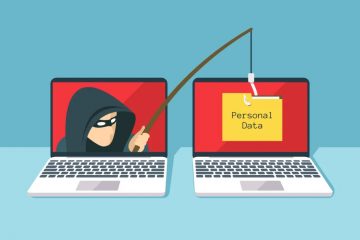
- Phishing sites: Fake login pages that mimic banks, Google, or Microsoft.
- Browser extensions: Malicious add-ons that steal cookies, passwords, or browsing data.
- Zero-day exploits: Vulnerabilities in the browser itself that let attackers run code remotely.
🕵️♂️ Real-world example: In 2025, a popular ad network was compromised, delivering malware to millions of users—even on trusted news sites.
7 Essential Tips to Stay Safe
✅ 1. Keep Your Browser Updated—Always
Browser updates patch critical security holes. Enable automatic updates:
- Chrome: Settings > About Chrome (auto-updates by default)
- Firefox: Settings > General > Firefox Updates
- Edge: Settings > About Microsoft Edge
- Safari: System Settings > Software Update
🔒 Never ignore update prompts—they often fix active exploits.
✅ 2. Use a Privacy-Focused, Secure Browser
Not all browsers are equal. Choose one with strong security defaults:
- Firefox: Open-source, blocks trackers by default, minimal data collection.
- Brave: Blocks ads and trackers out of the box; built-in HTTPS upgrade.
- Safari: Excellent privacy protections on Apple devices.
- Edge: Good security features if you’re in the Microsoft ecosystem.
❌ Avoid obscure or “optimized” browsers—they often contain hidden trackers or malware.
✅ 3. Install Only Trusted Extensions—And Fewer of Them
Browser extensions have full access to every site you visit. A malicious one can:
- Steal saved passwords
- Record keystrokes
- Redirect you to phishing sites
Best practices:
- Only install extensions from official stores (Chrome Web Store, Firefox Add-ons)
- Prefer well-known developers (e.g., uBlock Origin, Bitwarden)
- Remove unused extensions—each one is a potential attack surface
- Review permissions: Does a “dark mode” extension really need to “read all website data”?
🛑 Red flag: Extensions with vague descriptions, low ratings, or recent sudden popularity.
✅ 4. Never Save Passwords in Your Browser
While convenient, browser-based password managers lack advanced security features:
- No breach monitoring
- Weak encryption (compared to dedicated tools)
- Easily extracted by malware or anyone with physical access
Instead, use a dedicated password manager like:
- Bitwarden (free, open-source)
- 1Password
- Keeper
These offer encrypted storage, breach alerts, and secure sharing.
✅ 5. Verify URLs Before Logging In
Phishing sites look identical to real ones. Always check:
- The URL (e.g.,
https://accounts.google.com— notgoogle-security-login.ru) - The padlock icon (click it to verify the certificate)
- Misspellings or odd domains (
amaz0n.com,facebokk.com)
💡 Pro tip: Bookmark your most-used login pages (bank, email) so you never type them manually.
✅ 6. Use an Ad Blocker and Anti-Tracker
Malicious ads (“malvertising”) can infect you without a click. Block them with:
- uBlock Origin (free, open-source, lightweight)
- Privacy Badger (by EFF, blocks invisible trackers)
These tools prevent sketchy scripts from even loading.
✅ 7. Enable Isolation Features
Modern browsers offer built-in protections:
- Firefox: Enable Total Cookie Protection (isolates cookies per site)
- Chrome/Edge: Turn on “Safety Check” (Settings > Privacy & Security)
- Safari: Intelligent Tracking Prevention is on by default
Also consider sandboxing:
- Use a separate browser profile for banking or sensitive tasks
- Or use Firefox Multi-Account Containers to isolate logins
What to Do If You Suspect a Breach
- Close the browser immediately
- Run a malware scan (Malwarebytes, Windows Defender)
- Change passwords from a clean device
- Check account activity (Google, Microsoft, and banks offer sign-in logs)
- Revoke suspicious app permissions (e.g., in Google Account > Security > Third-party apps)
Final Thought: Your Browser Is a Window—Guard It
Your browser isn’t just a tool—it’s a portal to your digital life. And like any doorway, it needs locks, alarms, and regular maintenance.
By updating software, limiting extensions, verifying sites, and using better password hygiene, you close the door on most browser-based attacks.
Because in 2026, safe browsing isn’t about fear—it’s about smart habits.
And those habits start with a single, conscious click.
0 Comments