As cybercriminals increasingly deploy artificial intelligence to launch hyper-realistic phishing, deepfake scams, and adaptive malware, traditional security measures are falling short. But there’s good news: AI isn’t just a weapon for attackers—it’s also our most powerful shield.
In 2026, the frontline of cybersecurity is no longer just firewalls and passwords. It’s an intelligent, adaptive defense system powered by AI itself. Here’s how you can defend against AI-powered threats—and turn AI into your greatest ally.
1. Understand the Threat Landscape
Before you can defend, you must know what you’re up against:
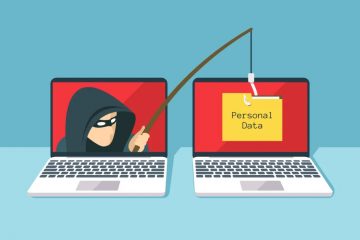
- AI-generated phishing: Emails that mimic your boss’s tone, reference real projects, and include fake (but realistic) links.
- Deepfake voice/video calls: Impersonating executives to authorize fraudulent transfers.
- Polymorphic malware: Malware that rewrites its code in real time to evade detection.
- Automated reconnaissance: AI scanning your public data (social media, WHOIS records) to craft personalized attacks.
🎯 Key insight: AI attacks are faster, more targeted, and harder to spot. But they also leave subtle digital fingerprints—if you know where to look.
2. Deploy AI-Powered Defensive Tools
The best way to fight AI is with AI. Modern security platforms use machine learning to detect and neutralize threats in real time.
✅ For Individuals & Small Offices:
- Email Security with AI Scanning:
Use services like Microsoft Defender for Office 365 or Google Workspace’s AI-powered phishing protection. They analyze message context, sender behavior, and link reputation—not just keywords. - Endpoint Protection with Behavioral AI:
Tools like CrowdStrike Falcon, SentinelOne, or Bitdefender GravityZone monitor your device for unusual activity (e.g., a document suddenly encrypting files)—and stop ransomware before it spreads. - Passwordless Authentication:
Replace passwords with passkeys (FIDO2) or biometric logins. AI can’t phish what doesn’t exist.
✅ For Businesses:
- Autonomous Security Platforms:
Solutions like Microsoft Defender XDR or Palo Alto Cortex XDR correlate signals across email, cloud, and endpoints to detect multi-stage AI-driven attacks. - AI-Powered SIEM:
Security Information and Event Management systems (like Splunk or IBM QRadar) now use AI to filter noise and highlight true threats from billions of logs. - Deception Technology:
Deploy AI-managed “honeypots” that lure attackers into fake systems—revealing their tactics without risking real assets.
3. Strengthen Human Defenses
AI can’t replace human judgment—but it can enhance it.
🔒 Security Awareness Training—Powered by AI:
- Use platforms like KnowBe4 or Cofense that simulate AI-generated phishing emails tailored to your industry.
- Train employees to spot inconsistencies: mismatched email domains, urgent language, or requests that bypass normal procedures.
🧠 Adopt a “Verify, Don’t Trust” Mindset:
- If a colleague calls asking for a wire transfer, call them back on a known number.
- If an email seems “off,” hover over links to check URLs, and never click without verifying.
- Use multi-factor authentication (MFA)—but avoid SMS. Choose authenticator apps or hardware security keys (YubiKey), which resist SIM-swapping and AI voice cloning.
4. Harden Your Digital Environment
Reduce your attack surface so AI has less to exploit.
- Minimize public data: Audit your social media privacy settings. Remove birthdates, job titles, and family details that fuel personalized attacks.
- Enable automatic updates: Ensure OS, apps, and firmware are always patched—closing vulnerabilities AI scanners love to find.
- Use a password manager: Generate and store unique, complex passwords for every account. This defeats credential-stuffing attacks, even if one password is leaked.
- Segment your network: On home Wi-Fi, put IoT devices (cameras, smart speakers) on a separate guest network. This limits damage if one device is compromised.
5. Leverage AI for Proactive Defense
Go beyond reaction—use AI to predict and prevent.
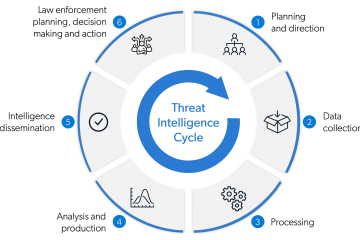
- Threat Intelligence Feeds: Subscribe to AI-curated threat feeds (like Recorded Future or Mandiant) that forecast emerging attack patterns.
- Anomaly Detection: Enable built-in tools like Windows Defender’s Attack Surface Reduction or Google’s Advanced Protection Program, which use AI to block suspicious scripts and downloads.
- Dark Web Monitoring: Services like Have I Been Pwned (with AI-enhanced alerts) notify you if your credentials appear in breaches—often before criminals use them.
What This Looks Like in Practice
| Scenario | Old Defense | AI-Powered Defense |
|---|---|---|
| Phishing Email | Block known bad links | Analyze writing style, sender history, and embedded images to flag AI-generated fakes |
| Ransomware Attack | Restore from backup after infection | Detect abnormal file encryption behavior and quarantine the process in <1 second |
| CEO Fraud Call | Employee follows verbal order | System flags unusual financial request + verifies via secondary channel automatically |
Final Thought: AI Is a Force Multiplier—for Good
AI-powered attacks are real and evolving. But so are AI-powered defenses. The key is not to fear AI—but to harness it responsibly.
By combining intelligent tools, vigilant habits, and layered security, you can stay ahead of even the most sophisticated AI-driven threats.
Because in 2026, the question isn’t “Can AI hack me?”
It’s “Am I using AI to protect myself?”
And the answer should be: Yes—with confidence.
0 Comments