You’re at a café, airport, or hotel lobby. The Wi-Fi is free, open, and requires no password. It’s tempting to hop on and check email, browse social media, or even do some online banking. But public, unprotected Wi-Fi is one of the riskiest places to go online.
Why? Because anyone else on that same network can potentially see what you’re doing—including hackers with simple, free tools.
The good news: you don’t have to stay offline. With a few smart habits, you can use public Wi-Fi safely—even when it’s completely open.
Here’s your practical, step-by-step guide to staying protected in 2026.
Why Public Wi-Fi Is Dangerous
On an unprotected (“open”) network:
- There’s no encryption between your device and the router.
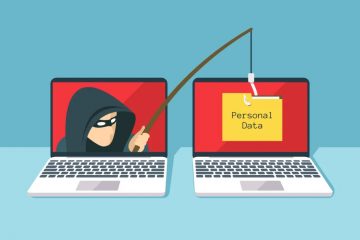
- Hackers nearby can use “packet sniffing” tools to intercept your data—usernames, passwords, messages, even credit card numbers.
- Attackers can set up fake hotspots with names like “Free Airport Wi-Fi” to trick you into connecting to their network.
🕵️♂️ Real risk: In under 10 minutes, a skilled attacker can capture login credentials from unsecured sites—even if you never clicked anything suspicious.
5 Essential Rules for Public Wi-Fi Safety
✅ 1. Never Access Sensitive Accounts
Avoid:
- Online banking
- Shopping sites (entering credit cards)
- Email or work accounts
- Medical portals
If you must check something urgent, wait until you’re on a trusted network (like your phone’s hotspot).
✅ 2. Use a Trusted VPN (Virtual Private Network)
A reputable paid VPN encrypts all your internet traffic, making it unreadable to snoopers—even on open Wi-Fi.
🔒 Important: Only use well-reviewed, privacy-focused VPNs like Proton VPN, Mullvad, or IVPN.
❌ Avoid free VPNs—many log your data or inject ads (see our article on free VPN risks).
With a VPN, your connection looks like scrambled noise to anyone watching.
✅ 3. Stick to HTTPS Websites
Look for 🔒 + “https://” in the address bar. The “S” stands for secure—it means your connection to that site is encrypted.
Most major sites (Google, Facebook, banks) use HTTPS by default. But if you see “http://” (no “s”), do not enter any information.
💡 Bonus: Install the free HTTPS Everywhere browser extension (by EFF) to force secure connections when available.
✅ 4. Turn Off Sharing & Auto-Connect
Your device might be broadcasting files or printers without you realizing it.
- On Windows: Go to Settings > Network & Internet > Wi-Fi > Manage known networks > [Public Network] > Set as Public network (disables sharing).
- On Mac: System Settings > Network > Wi-Fi > Details > Disable “File Sharing” and “AirDrop” temporarily.
- On iPhone/Android: Disable “Auto-Join” for unknown networks and turn off “Personal Hotspot” and “File Sharing.”
Also, forget the network after use so your device doesn’t reconnect automatically next time.
✅ 5. Use Your Phone’s Hotspot Instead (When Possible)
Your cellular connection (4G/5G) is far more secure than public Wi-Fi. If you have enough data, turn on your phone’s hotspot and connect your laptop to that instead.
It uses strong encryption and is tied to your SIM—making it much harder to intercept.
What About “Wi-Fi Protection” Apps?
Many apps claim to “secure” public Wi-Fi—but most are scams. True security comes from:
- End-to-end encryption (HTTPS, VPN)
- Not sending sensitive data in the first place
Don’t trust pop-ups that say “This network is unsafe—download our protector!” They’re often malware.
Red Flags to Watch For
- A network named “Free Wi-Fi” or “Starbucks_WiFi2” (official networks usually have clear branding)
- Being asked to “accept terms” on a sketchy-looking page with typos
- Suddenly slow internet or strange pop-ups after connecting
When in doubt, don’t connect.
Final Thought: Convenience Shouldn’t Cost You Security
Public Wi-Fi is a gift for travelers and remote workers—but it’s not a private space. Treat it like a crowded room: you wouldn’t shout your password out loud, so don’t send it over an open network.
By using a trusted VPN, avoiding sensitive tasks, and verifying secure connections, you can enjoy the convenience of public Wi-Fi—without becoming the next victim.
So next time you’re at a café, remember:
Stay connected—but stay protected.
0 Comments