In an era of rising online surveillance, data breaches, and geo-restricted content, Virtual Private Networks (VPNs) have become essential tools for privacy-conscious users. But with so many “free” options available—from browser extensions to mobile apps—it’s tempting to skip paying for a service altogether.
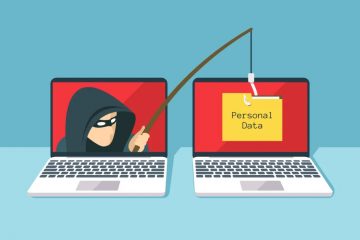
Here’s the hard truth: if you’re not paying for the VPN, you are the product.
Let’s break down how free VPNs work, the real risks they pose, what to watch for, and practical alternatives that actually protect your privacy.
How Free VPNs Make Money (Spoiler: Not from You… Directly)
Free VPN providers still have servers to run, bandwidth to pay for, and developers to employ. Since users aren’t paying with money, they pay with something far more valuable: their data.
Common monetization tactics include:
- Selling your browsing data to advertisers, data brokers, or third parties.
- Injecting ads or tracking scripts into your web traffic.
- Using your device as an exit node in a peer-to-peer VPN network (e.g., turning your phone into a proxy for other users).
- Mining cryptocurrency in the background.
- Reselling bandwidth to other companies or even malicious actors.
In short: your private traffic becomes a revenue stream.
Key Risks of Using Free VPN Services
1. Data Collection & Privacy Violations
Many free VPNs log far more than they admit—including your IP address, visited websites, DNS queries, device info, and even login credentials. A 2023 study by the Australian Competition & Consumer Commission found that 75% of free VPNs shared user data with third parties, often without clear disclosure.
2. Malware & Security Vulnerabilities
Some free VPN apps contain spyware, trojans, or outdated libraries with known exploits. In 2025, researchers discovered that several popular free Android VPNs were secretly harvesting SMS messages and contact lists under the guise of “network optimization.”
3. Poor or No Encryption
Not all “VPNs” actually encrypt your traffic. Some are just HTTP proxies with misleading branding. Others use weak protocols (like PPTP) that can be easily decrypted by ISPs or attackers.
4. Bandwidth Throttling & Speed Limits
To cut costs, free services often throttle speeds, cap monthly data (e.g., 500MB–2GB), or deprioritize free users—making them unusable for streaming, video calls, or large downloads.
5. Legal & Jurisdictional Risks
Many free VPNs operate in countries with weak privacy laws (or active surveillance alliances like the Five Eyes). If authorities demand user logs, there’s little legal recourse—and your data may already be compromised.
Red Flags: What to Watch For
Avoid any free VPN that exhibits these warning signs:
- ❌ Vague or missing privacy policy
- ❌ No clear logging policy (or claims “no logs” but lacks independent audits)
- ❌ Requests excessive permissions (e.g., access to contacts, SMS, location on mobile)
- ❌ Overly aggressive ads or pop-ups inside the app
- ❌ Unrealistic promises (“unlimited speed,” “military-grade encryption” with no technical details)
- ❌ Based in high-surveillance jurisdictions (e.g., U.S., China, Russia, India) without transparency
⚠️ Fun fact: In 2024, a widely used free VPN was exposed for routing user traffic through servers in China—despite claiming to be “Swiss-based.”
Safer Alternatives & Practical Solutions
You don’t need to spend a fortune to stay safe. Here are realistic, privacy-respecting options:
✅ 1. Use Reputable Paid VPNs (Often Affordable)
Many trusted providers offer plans under $3–5/month when billed annually:
- Proton VPN (Switzerland): Free tier available with no data selling, strong encryption, and open-source apps.
- Mullvad (Sweden): €5/month, accepts cash or cryptocurrency, no account required.
- IVPN (Gibraltar): Transparent, independently audited, and focused on privacy—not profit.
💡 Look for providers with independent security audits, clear no-logs policies, and open-source clients.
✅ 2. Leverage Built-in Privacy Tools
- Cloudflare WARP (free): Offers encrypted DNS and basic privacy—but not a full VPN (doesn’t hide your IP from websites).
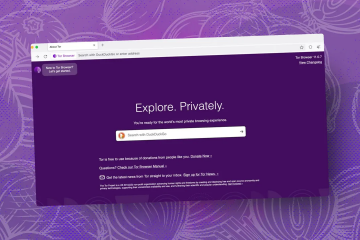
- Tor Browser: Free and excellent for anonymity, though slower and not ideal for streaming or daily browsing.
✅ 3. Use Your Own Secure Tunnel (Advanced)
Tech-savvy users can self-host a lightweight VPN using:
- WireGuard on a cloud VPS (e.g., via AWS Lightsail or Hetzner)
- Tailscale or ZeroTier for secure, encrypted networking (though these don’t mask your public IP for general browsing)
✅ 4. Combine Tools for Defense-in-Depth
- Pair a trusted paid VPN with uBlock Origin, Privacy Badger, and DNS over HTTPS (DoH).
- Use separate browser profiles for sensitive activities (banking, work) vs. casual browsing.
Final Thought: Privacy Has a Price—But It Doesn’t Have to Be High
Free VPNs promise convenience and anonymity but often deliver the opposite: surveillance, slowdowns, and risk. In 2026, your data is more valuable than ever—and if a service isn’t charging you, it’s almost certainly monetizing you in another way.
Investing a few dollars a month in a reputable provider isn’t just about hiding your IP—it’s about reclaiming control over your digital life.
Remember: True privacy isn’t free—but it is affordable.
Stay safe, stay informed, and never trust a “free lunch” on the internet.
0 Comments