If you’ve spent any time online, you’ve probably heard the term VPN—maybe from a tech-savvy friend, a news article, or an ad promising “online privacy.” But what exactly is a VPN, and do you really need one?
The short answer: A VPN (Virtual Private Network) is like a secure tunnel for your internet traffic. It helps protect your privacy, bypass restrictions, and stay safer online—especially on public Wi-Fi.
Let’s break it down in plain, non-technical terms.
🔒 What Is a VPN? (The Simple Explanation)
Imagine sending a postcard through the mail. Anyone who handles it—postal workers, neighbors, even strangers—can read what’s written on it. That’s how regular internet traffic works: your data travels openly, and your internet provider (and sometimes hackers) can see what websites you visit.
Now imagine putting that postcard inside a locked, sealed envelope that only the recipient can open. That’s what a VPN does.
When you turn on a VPN:
- Your device connects to a remote server run by the VPN provider.
- All your internet traffic is encrypted (scrambled into unreadable code).
- Your real IP address (which reveals your location) is hidden and replaced with the VPN server’s IP.
To anyone watching—including your internet provider, hackers, or even the government—it looks like your traffic is coming from the VPN server, not your actual device.
🌐 Key Benefits of Using a VPN
1. Protects Your Privacy
- Hides your browsing activity from your Internet Service Provider (ISP), who normally logs every site you visit.
- Prevents websites and advertisers from tracking your real location and online behavior.
2. Secures Public Wi-Fi
- On coffee shop, airport, or hotel Wi-Fi? These networks are often unsecured—making it easy for hackers to steal passwords or banking info.
- A VPN encrypts your data, so even if someone intercepts it, they can’t read it.
3. Bypasses Geographic Restrictions
- Some content (like Netflix shows, news sites, or YouTube videos) is blocked based on your country.
- With a VPN, you can connect to a server in another country and access that content as if you were there.
4. Avoids Censorship
- In countries with heavy internet censorship (e.g., China, Iran, Russia), a VPN can help users access blocked sites like Google, Facebook, or independent news outlets.
5. Adds a Layer of Security for Remote Work
- Many companies require employees to use a corporate VPN to safely access internal files and systems from home.
👥 Who Should Use a VPN?
While not everyone needs a VPN daily, these groups benefit the most:
✅ Frequent Travelers & Remote Workers
If you often use public Wi-Fi, a VPN is a smart safety net.
✅ Privacy-Conscious Individuals
If you don’t want your ISP or advertisers tracking your online life, a VPN adds meaningful privacy.
✅ Streamers & Gamers
Some use VPNs to access region-locked content or reduce lag by connecting to better servers (though this varies by provider).
✅ Journalists, Activists, or People in Restricted Countries
For them, a VPN isn’t just convenient—it can be essential for free speech and safety.
✅ Anyone Using Unsecured Networks
Even checking email at a café without a VPN could expose your login details.
⚠️ What a VPN Doesn’t Do
It’s important to know the limits:
- ❌ It doesn’t make you 10 ‘anonymous’ – Your VPN provider can still see your traffic (so choose a trustworthy, no-logs provider).
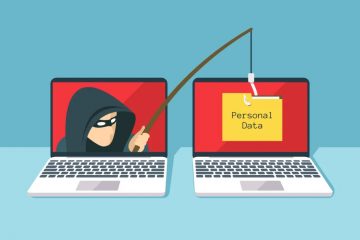
- ❌ It doesn’t stop malware or phishing – You still need antivirus software and common sense.
- ❌ It doesn’t speed up your internet – In fact, it may slightly slow it down due to encryption.
- ❌ Free VPNs are often risky – Many sell your data or inject ads. If it’s free, you’re the product.
🔐 Choosing a Good VPN
Look for these features:
- No-logs policy (they don’t store your activity)
- Strong encryption (AES-256 is standard)
- Servers in multiple countries
- Kill switch (stops internet if the VPN drops)
- Reputable company (e.g., NordVPN, ExpressVPN, ProtonVPN, Mullvad)
Avoid obscure free apps with thousands of 5-star reviews—they’re often fake.
💡 Final Thought
A VPN isn’t a magic shield—but it’s a powerful tool for privacy, security, and freedom online. You don’t need to be a hacker or spy to benefit from one. In a world where data is constantly collected and monitored, a VPN gives you back a little control.
So if you value your digital privacy—or just want to browse safely at your local coffee shop—it’s worth considering.
🔐 Your internet. Your rules.
0 Comments