In today’s digital world, protecting data isn’t optional—it’s essential. But how do you know if your security measures actually work? That’s where data security audits come in.
Think of a security audit like a health checkup for your organization’s digital defenses. Just as you wouldn’t treat all medical concerns with the same test, not all security audits serve the same purpose.
Below is a clear, practical guide to the most common types of data security audits, including what they are, who initiates them, when they’re needed, why they matter—and when you might safely skip one.
1. Vulnerability Assessment
What it is:
A systematic scan of systems, networks, and software to identify known security weaknesses (e.g., outdated software, misconfigurations, open ports).
Who initiates:
Internal IT/security teams or external consultants.
When it’s done:
- Regularly (e.g., monthly or quarterly)
- After major system changes
- As part of ongoing risk management
Why it matters:
Finds “low-hanging fruit” that attackers could exploit. Fast, automated, and cost-effective.
When to skip?
Almost never. This is foundational hygiene—like brushing your teeth. Skipping it leaves obvious holes unpatched.
2. Penetration Testing (“Pen Test”)
What it is:
Ethical hackers simulate real-world attacks to see if they can breach your defenses—going beyond scanning to exploit vulnerabilities.
Who initiates:
Security teams, compliance officers, or executives. Often required by regulators or clients.
When it’s done:
- Annually (minimum)
- After major infrastructure changes
- Before launching critical applications
- To meet standards like PCI DSS, ISO 27001, or SOC 2
Why it matters:
Shows not just what’s broken, but how badly it can be abused. Reveals gaps that scanners miss.
When to skip?
Small organizations with minimal data exposure might delay it—but if you handle customer data, payment info, or sensitive records, don’t skip.
3. Risk Assessment
What it is:
A strategic evaluation of threats, vulnerabilities, and potential business impact. Answers: “What could go wrong, and how bad would it be?”
Who initiates:
Leadership, risk officers, or compliance teams.
When it’s done:
- At least annually
- When entering new markets or adopting new tech (e.g., cloud, AI)
- After a major incident
Why it matters:
Helps prioritize security spending. Focuses resources on what truly matters to the business.
When to skip?
Never—if you’re making decisions about security, you need risk context. Even small businesses benefit from basic risk assessments.
4. Compliance Audit
What it is:
Checks whether your practices meet legal or regulatory requirements (e.g., GDPR, HIPAA, CCPA, PCI DSS).
Who initiates:
Regulators, auditors, clients, or internal compliance teams.
When it’s done:
- As required by law or contract (e.g., annual PCI audits)
- Before certification (e.g., ISO 27001)
- During due diligence (e.g., mergers)
Why it matters:
Avoids fines, legal trouble, and loss of customer trust. Often non-negotiable.
When to skip?
Only if you’re not subject to any regulations (rare). If you store personal, health, or payment data, compliance audits are mandatory.
5. Configuration Audit
What it is:
Reviews system settings (firewalls, servers, cloud accounts) to ensure they follow security best practices (e.g., CIS Benchmarks).
Who initiates:
System administrators or security teams.
When it’s done:
- Continuously (via automated tools)
- After system setup or updates
- As part of change management
Why it matters:
Misconfigurations cause ~80% of cloud breaches. This audit catches dangerous defaults (like public S3 buckets).
When to skip?
Never for internet-facing systems. It’s quick, automated, and prevents catastrophic errors.
6. Access Control Audit
What it is:
Verifies who has access to what data or systems—and whether that access is justified (e.g., “Does the intern really need admin rights?”).
Who initiates:
HR, IT, or internal audit teams.
When it’s done:
- Quarterly or semi-annually
- After employee role changes or departures
- As part of SOX or ISO 27001 requirements
Why it matters:
Prevents insider threats and privilege abuse. Ensures the principle of least privilege.
When to skip?
Only in very small teams with full mutual trust—but even then, it’s risky. Best practice: review access regularly.
7. Application Security Audit
What it is:
Examines custom or third-party software for security flaws (e.g., SQL injection, insecure APIs, poor encryption).
Who initiates:
Development leads, product managers, or security teams.
When it’s done:
- During development (shift-left security)
- Before major releases
- After integrating new code libraries
Why it matters:
Applications are prime attack targets. Fixing flaws early is far cheaper than post-breach cleanup.
When to skip?
If your app handles no sensitive data and isn’t internet-facing, you might reduce frequency—but never ignore entirely.
8. Data Privacy Audit
What it is:
Focuses on how personal data is collected, stored, used, and shared—ensuring alignment with privacy laws and user expectations.
Who initiates:
Privacy officers, legal teams, or DPOs (Data Protection Officers).
When it’s done:
- Annually
- When launching new data collection features
- After a privacy complaint or breach
Why it matters:
GDPR and similar laws impose huge fines for misuse of personal data. Also builds customer trust.
When to skip?
Only if you collect zero personal information (name, email, IP address, etc.). In practice, almost every digital service collects some—so don’t skip.
9. Social Engineering Audit
What it is:
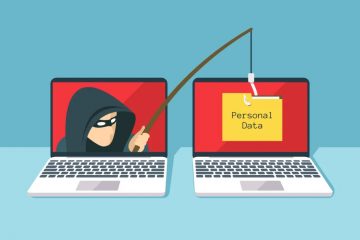
Tests human vulnerabilities—e.g., phishing emails, fake phone calls, or “tailgating” into offices—to see if employees follow security policies.
Who initiates:
Security awareness teams or external red teams.
When it’s done:
- Annually or biannually
- After security training
- To measure training effectiveness
Why it matters:
People are the weakest link. This reveals gaps in culture and training—not just tech.
When to skip?
Small teams with strong security culture might reduce frequency, but never skip entirely. Humans remain the #1 attack vector.
10. Incident Response Audit
What it is:
Evaluates your organization’s ability to detect, respond to, and recover from a cyberattack (e.g., via tabletop exercises or breach simulations).
Who initiates:
CISO, risk management, or executive leadership.
When it’s done:
- At least annually
- After a real incident
- When updating response plans
Why it matters:
Speed and coordination during a breach reduce damage and downtime. Many companies fail not because they were hacked—but because they responded poorly.
When to skip?
Never. Even basic planning saves millions in recovery costs.
🎯 Key Takeaways
| Audit Type | Must Do? | Frequency | Skip Only If… |
|---|---|---|---|
| Vulnerability Assessment | ✅ Yes | Monthly/Quarterly | Never |
| Penetration Testing | ✅ Yes (if handling sensitive data) | Annually | Very low-risk orgs |
| Risk Assessment | ✅ Yes | Annually | You’re not making security decisions |
| Compliance Audit | ✅ Yes (if regulated) | As required | Truly outside all regulations |
| Configuration Audit | ✅ Yes | Continuous | No internet-connected systems |
| Access Control Audit | ✅ Yes | Quarterly | Tiny team, full trust |
| App Security Audit | ✅ Yes (for custom apps) | Per release | App is offline & non-sensitive |
| Data Privacy Audit | ✅ Yes (if collecting personal data) | Annually | Collect zero personal info |
| Social Engineering Audit | ✅ Recommended | Annually | Extremely small, trained team |
| Incident Response Audit | ✅ Yes | Annually | You accept high breach risk |
Final Thought
Not every audit is needed equally by every organization—but ignoring security audits altogether is like driving blindfolded. The goal isn’t to do all audits all the time, but to choose the right ones based on your data, risks, and obligations.
Start with vulnerability scans, access reviews, and risk assessments. Then layer in others as your business grows.
Because in cybersecurity, what you don’t audit, you can’t protect.
🔐 Stay proactive. Stay secure.
2 Comments
portude · 15/02/2026 at 9:30 AM
A really good blog and me back again.
johny · 08/04/2026 at 3:41 PM
Thank you. Let us know if you have any topic you like us to cover.