Imagine you’re in charge of a high-security building—like a bank vault or a research lab. In the old days, security worked like this:
“If you have the right key or badge, you can get in—and once you’re inside, you can go anywhere.”
That’s how most computer networks used to work too. If you logged in from inside the company network (or used the right password), the system assumed you were trustworthy and gave you access to everything.
But here’s the problem: what if a thief steals your badge? Or what if someone sneaks in disguised as an employee? Once they’re “inside,” they can roam freely.
That’s where Zero Trust Security comes in.
🔒 The Core Idea: “Never Trust, Always Verify”
Zero Trust flips the old model on its head. Instead of trusting anyone just because they’re “inside” the network, it says:
“No one is trusted by default—not even people already inside the system. Every request must be verified.”
In other words:
✅ You prove who you are—every time.
✅ You only get access to what you need—nothing more.
✅ This applies whether you’re working from the office, at home, or on a coffee shop Wi-Fi.
Think of it like a VIP event with multiple checkpoints:
- First, you show ID to get in the door.
- Then, to enter the backstage area, you need a special wristband.
- To access the artist’s dressing room, you need a manager’s escort.
Even if you’re “in,” you don’t get full access—you only go where you’re supposed to.
🛡️ How Does Zero Trust Work in Practice?
Zero Trust isn’t a single tool—it’s a security strategy built on three key principles:
1. Verify Every User and Device
- Who are you? (Prove it with a password + phone code = 2FA/MFA)
- What device are you using? (Is it secure? Updated? Company-approved?)
- Even if you’ve logged in before, you might be asked to re-verify for sensitive actions.
2. Least Privilege Access
- You only get access to the files, apps, or data you absolutely need for your job.
- A marketing intern doesn’t need access to payroll records. A salesperson doesn’t need engineering code.
- Access is granted just in time and just enough—then revoked when not needed.
3. Assume Breach (Stay Alert)
- Zero Trust assumes hackers might already be inside.
- So systems constantly monitor for strange behavior:
- “Why is this user downloading 10,000 files at 3 a.m.?”
- “This laptop hasn’t updated its antivirus in 6 months—block it.”
- If something looks suspicious, access is cut off immediately.
🌐 Why Is Zero Trust Important Today?
Because the “office network” no longer exists the way it used to.
- People work from home, cafes, airports.
- Data lives in the cloud (Google Workspace, Microsoft 365), not just in office servers.
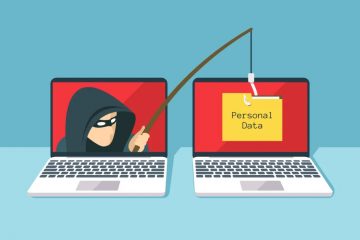
- Hackers target remote workers with phishing emails and stolen passwords.
Zero Trust works perfectly in this modern world because it doesn’t care where you are—it only cares who you are, what you’re trying to do, and whether it makes sense.
💡 Real-Life Example
Let’s say you work for a company that uses Zero Trust:
- You log in from your home laptop → you enter your password and approve a prompt on your phone (MFA).
- You can open your email and calendar—but if you try to access the finance folder, you’re blocked (you don’t have permission).
- Later, you try to log in from a new device in another country → the system flags it, asks extra questions, or blocks it until IT approves.
Result? Even if your password gets stolen, the hacker can’t easily move around or steal sensitive data.
✅ The Bottom Line
Zero Trust = No automatic trust. Constant verification. Minimal access. Maximum security.
It’s not about being paranoid—it’s about being smart in a world where cyber threats are everywhere.
And while Zero Trust is often used by big companies and governments, its principles apply to everyone:
Don’t assume safety just because you’re “inside.” Always double-check.
Whether you’re protecting a global corporation or just your personal email, that mindset goes a long way.
🔐 Trust nothing. Verify everything. That’s Zero Trust.
0 Comments