In today’s digital age, the internet has become an integral part of our daily lives. From shopping and banking to socializing and entertainment, we rely heavily on our web browsers. However, this convenience comes with risks. Cybercriminals are constantly devising new ways to exploit unsuspecting users. This article will explore essential safe browsing habits that everyone should adopt to protect themselves online.
Understanding the Risks
The Evolving Threat Landscape
The internet is rife with potential dangers, including malware, phishing scams, identity theft, and data breaches. As technology advances, so do the tactics of cybercriminals. It’s crucial to stay informed about current threats and how to avoid them.
The Importance of Safe Browsing
Safe browsing habits are your first line of defense against online threats. By being cautious and informed, you can significantly reduce your risk of falling victim to cybercrimes.
Essential Safe Browsing Habits
Keep Your Browser Updated
One of the simplest yet most effective ways to stay safe online is to keep your browser updated. Browser updates often include security patches that address newly discovered vulnerabilities.
Use Strong, Unique Passwords
Create strong, unique passwords for all your online accounts. Consider using a password manager to generate and store complex passwords securely.
Enable Two-Factor Authentication
Whenever possible, enable two-factor authentication (2FA) for your online accounts. This adds an extra layer of security by requiring a second form of verification beyond your password.
Be Wary of Public Wi-Fi
Public Wi-Fi networks are often unsecured, making them prime hunting grounds for cybercriminals. Avoid accessing sensitive information (like online banking) when using public Wi-Fi, or use a VPN for added security.
Recognizing and Avoiding Phishing Attempts
Understanding Phishing
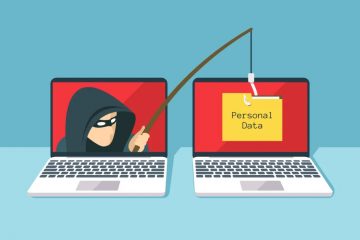
Phishing is a common tactic where cybercriminals attempt to trick you into revealing sensitive information by posing as legitimate entities. They often use emails, text messages, or fake websites to lure unsuspecting victims.
Red Flags to Watch For
Be cautious of unsolicited messages asking for personal information, urgent requests for action, and links or attachments from unknown sources. Always verify the sender’s identity before responding to requests for sensitive information.
URL Awareness
Pay close attention to website URLs. Cybercriminals often use URLs that look similar to legitimate sites but with slight variations. Always check for the padlock icon and “https” in the address bar before entering sensitive information.
Safe Download Practices
Verify the Source
Only download software and files from reputable sources. Be especially cautious of free software offerings, as they may come bundled with malware.
Scan Before Opening
Use up-to-date antivirus software to scan all downloaded files before opening them. This can help catch malware that might have slipped through.
Protecting Your Privacy
Manage Your Cookies
Cookies can track your online activities. Regularly clear your browser cookies and consider using browser extensions that block tracking cookies.
Be Mindful of What You Share
Think twice before sharing personal information online, especially on social media platforms. Oversharing can make you vulnerable to identity theft and social engineering attacks.
Securing Your Devices
Use Antivirus Software
Install reputable antivirus software on all your devices and keep it updated. This provides an additional layer of protection against malware and other online threats.
Enable Firewalls
Ensure that your device’s firewall is enabled. Firewalls act as a barrier between your device and potential threats from the internet.
Educating Family Members
Share Knowledge
Educate your family members, especially children and elderly relatives, about safe browsing habits. A chain is only as strong as its weakest link, and one compromised device can put your entire network at risk.
Set Up Parental Controls
For households with children, consider setting up parental controls to restrict access to potentially harmful content and monitor online activities.
Staying Informed
Keep Up with Cybersecurity News
Stay informed about the latest cybersecurity threats and best practices. Follow reputable tech news sources and cybersecurity blogs to stay up-to-date.
Continuous Learning
The world of cybersecurity is constantly evolving. Make an effort to continuously educate yourself about new threats and protection strategies.
Conclusion
Safe browsing habits are essential in today’s digital landscape. By adopting these practices and staying vigilant, you can significantly reduce your risk of falling victim to online threats. Remember, cybersecurity is an ongoing process, not a one-time task. Stay informed, stay cautious, and enjoy a safer online experience.
0 Comments