In 2025, the internet is an essential part of our daily lives, connecting us to work, education, entertainment, and social interactions. However, while the internet offers endless opportunities, it also comes with risks. Understanding how to connect safely and protect your digital life is crucial for navigating the online world. This guide will provide you with practical tips on how to connect to the internet and stay safe while doing so.
1. Connecting to the Internet
To access the internet, you need a reliable connection. This can be achieved through broadband services like fiber-optic or cable networks, mobile data plans, or public Wi-Fi hotspots. Setting up a secure home Wi-Fi network is the best option for most users. When configuring your router, ensure you create a strong password for your network and enable encryption protocols like WPA3 for added security2.
For those who rely on public Wi-Fi, always exercise caution. Public networks are often unsecured and can expose your data to cybercriminals. If you must use public Wi-Fi, avoid accessing sensitive accounts like online banking or shopping platforms unless you’re using a Virtual Private Network (VPN), which encrypts your data for added protection1.
2. Choosing Strong Passwords
Passwords are your first line of defense against unauthorized access to your accounts. A strong password should be at least 12 characters long and include a mix of uppercase and lowercase letters, numbers, and special symbols1. Avoid using obvious information like your name or birthdate.
Using a unique password for each account is equally important. If one account is compromised, reusing passwords could give hackers access to all your accounts. Consider using a password manager to generate and store complex passwords securely1.
3. Enable Multi-Factor Authentication (MFA)
Multi-factor authentication (MFA) adds an extra layer of security by requiring a second form of verification in addition to your password. This could be a one-time code sent to your phone or email, or biometric verification like a fingerprint scan7. Enabling MFA wherever possible significantly reduces the risk of unauthorized access.
4. Keep Your Devices Updated
Outdated software can leave your devices vulnerable to cyberattacks. Regularly update your operating systems, apps, and browsers to ensure they have the latest security patches26. Most devices allow you to enable automatic updates, so you don’t have to worry about missing critical fixes.
5. Install Antivirus and Firewall Protection
Antivirus software helps detect and block malware before it can harm your device or steal sensitive information8. Firewalls add another layer of protection by monitoring incoming and outgoing traffic on your network. There are many free or affordable antivirus solutions available for both desktop and mobile devices2.
6. Be Wary of Phishing Scams
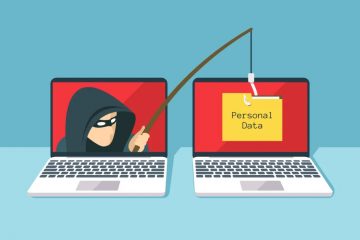
Phishing remains one of the most common online threats in 2025. Cybercriminals use fake emails, messages, or websites to trick users into revealing personal information like passwords or credit card details14. Always verify the sender’s identity before clicking on links or downloading attachments. If in doubt, contact the organization directly through their official website.
7. Practice Safe Browsing
When browsing online, stick to trusted websites with secure connections (look for “https://” in the URL). Avoid clicking on suspicious links or pop-up ads that promise free offers or prizes—they’re often traps designed to infect your device with malware18. Use browser extensions that block ads and trackers for additional safety.
8. Protect Your Personal Information
Be cautious about what personal information you share online. Avoid posting sensitive details like your home address, phone number, or financial information on social media platforms or untrusted websites3. Cybercriminals can use this data for identity theft or targeted scams.
9. Secure Your Social Media Accounts
Social media platforms often collect large amounts of personal data. Review your privacy settings regularly and limit who can see your posts and profile information1. Enable two-step verification for added security and be mindful of friend requests from strangers—they could be fake profiles created by scammers.
10. Use VPNs for Enhanced Privacy
A Virtual Private Network (VPN) encrypts your internet connection, making it more secure and private14. VPNs are particularly useful when using public Wi-Fi networks or accessing content in regions with strict internet regulations.
11. Backup Your Data Regularly
Data loss can occur due to cyberattacks like ransomware or hardware failures. Regularly back up important files to an external hard drive or cloud storage service4. This ensures you can recover your data even if something goes wrong.
12. Monitor Your Online Accounts
Regularly check your bank statements, credit reports, and online accounts for any suspicious activity4. If you notice anything unusual—like unauthorized transactions—report it immediately to your bank or service provider.
13. Teach Kids About Internet Safety
If children in your household use the internet, educate them about safe online practices3. Teach them not to share personal information with strangers, avoid downloading unknown files without permission, and report any suspicious messages they receive.
14. Avoid Over-Sharing on Public Platforms
While social media encourages sharing moments from our lives, over-sharing can lead to privacy risks. Posting vacation plans publicly could alert burglars that you’re away from home3. Think twice before sharing sensitive details online.
15. Stay Informed About Emerging Threats
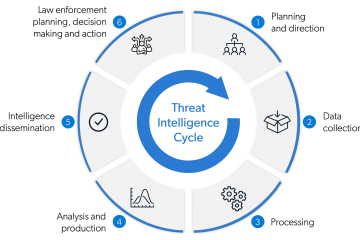
Cyber threats evolve rapidly, so staying informed is key to staying safe online48. Follow trusted cybersecurity blogs or news outlets for updates on new scams and vulnerabilities.
In conclusion, connecting to the internet opens up a world of opportunities but also exposes you to risks if not handled carefully. By following these tips—securing connections, creating strong passwords, enabling MFA, practicing safe browsing habits—you can enjoy the benefits of being online while keeping yourself protected from potential threats. Remember: staying safe online is an ongoing process that requires vigilance and proactive measures!
0 Comments