In today’s digital landscape, smartphones have evolved into powerful mini-computers, equipped with advanced features that can enhance productivity, communication, and entertainment. However, with this increased functionality comes the responsibility of ensuring your device remains secure. This article will guide you through the basics of smartphone security and provide tips on how to make the most of your phone while keeping your data safe.
Understanding Your Smartphone’s Capabilities
Modern smartphones are equipped with a range of features, including:
- High-Performance Processors: Allowing for multitasking and running complex applications.
- High-Resolution Cameras: Enabling photography and video recording.
- Internet Connectivity: Providing access to information, social media, and online services.
- Apps: Offering tools for productivity, communication, entertainment, and more.
With these capabilities, your smartphone can serve as a powerful tool for both personal and professional use. However, it’s essential to harness this power responsibly.
Basic Security Measures
- Set a Strong Passcode:
- Use a complex passcode or biometric authentication (fingerprint or facial recognition) to secure your device. Avoid easily guessable codes like birthdays or “1234.”
- Keep Your Software Updated:
- Regularly update your operating system and apps to protect against vulnerabilities. Updates often include security patches that safeguard your device from threats.
- Enable Find My Device:
- Activate features like “Find My iPhone” or “Find My Device” on Android to locate your phone if it’s lost or stolen. This feature can also help you remotely lock or erase your device.
- Use Two-Factor Authentication (2FA):
- Enable 2FA for your accounts whenever possible. This adds an extra layer of security by requiring a second form of verification, such as a text message or authentication app.
Making the Most of Your Phone
- Organize Your Apps:
- Keep your home screen organized by grouping similar apps together. This not only enhances productivity but also makes it easier to find apps quickly.
- Utilize Productivity Apps:
- Explore apps that can help you manage tasks, schedule events, and improve your workflow. Popular options include note-taking apps (like Evernote), task managers (like Todoist), and calendar apps.
- Leverage Cloud Storage:
- Use cloud storage services (like Google Drive, Dropbox, or iCloud) to back up important files and access them from anywhere. This also helps free up space on your device.
- Take Advantage of Mobile Payments:
- Use secure mobile payment options (like Apple Pay or Google Pay) for transactions. These services often use encryption and tokenization to protect your financial information.
- Explore Customization Options:
- Personalize your phone’s settings, such as display brightness, notifications, and themes, to enhance your user experience. Customization can make your device more user-friendly and tailored to your preferences.
- Manage Your Privacy Settings:
- Review the privacy settings for each app. Limit access to your location, contacts, and other sensitive information to only those apps that truly need it.
Advanced Security Practices
- Be Cautious with Public Wi-Fi:
- Avoid accessing sensitive information (like banking) over public Wi-Fi networks. If necessary, use a Virtual Private Network (VPN) to encrypt your internet connection.
- Download Apps from Trusted Sources:
- Only download apps from official app stores (like Google Play Store or Apple App Store). Check reviews and ratings before downloading to avoid malicious software.
- Regularly Review App Permissions:
- Periodically check the permissions granted to your apps. Revoke access to any permissions that seem unnecessary for the app’s functionality.
- Use Security Apps:
- Consider installing reputable security apps that offer features like malware scanning, anti-theft protection, and privacy monitoring.
- Educate Yourself About Phishing:
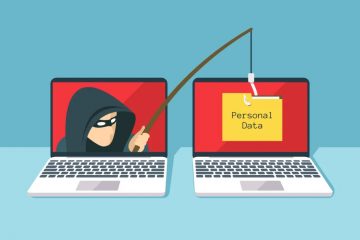
- Be aware of phishing attempts through emails, texts, or social media. Avoid clicking on suspicious links and verify the sender’s identity before providing any personal information.
Conclusion
Your smartphone is a powerful tool that can enhance your daily life, but it’s crucial to prioritize security while maximizing its potential. By implementing the basic and advanced security measures outlined in this article, you can enjoy the benefits of your device while keeping your data safe. Stay informed, stay secure, and make the most of your smartphone experience!
0 Comments